
FACILITIES
39 Beds Across 4 Homes
70%+ Transition to Independent Living
Average Stay: 7 Months (Level III)
2+ Years Continued Support (Alumni Housing)







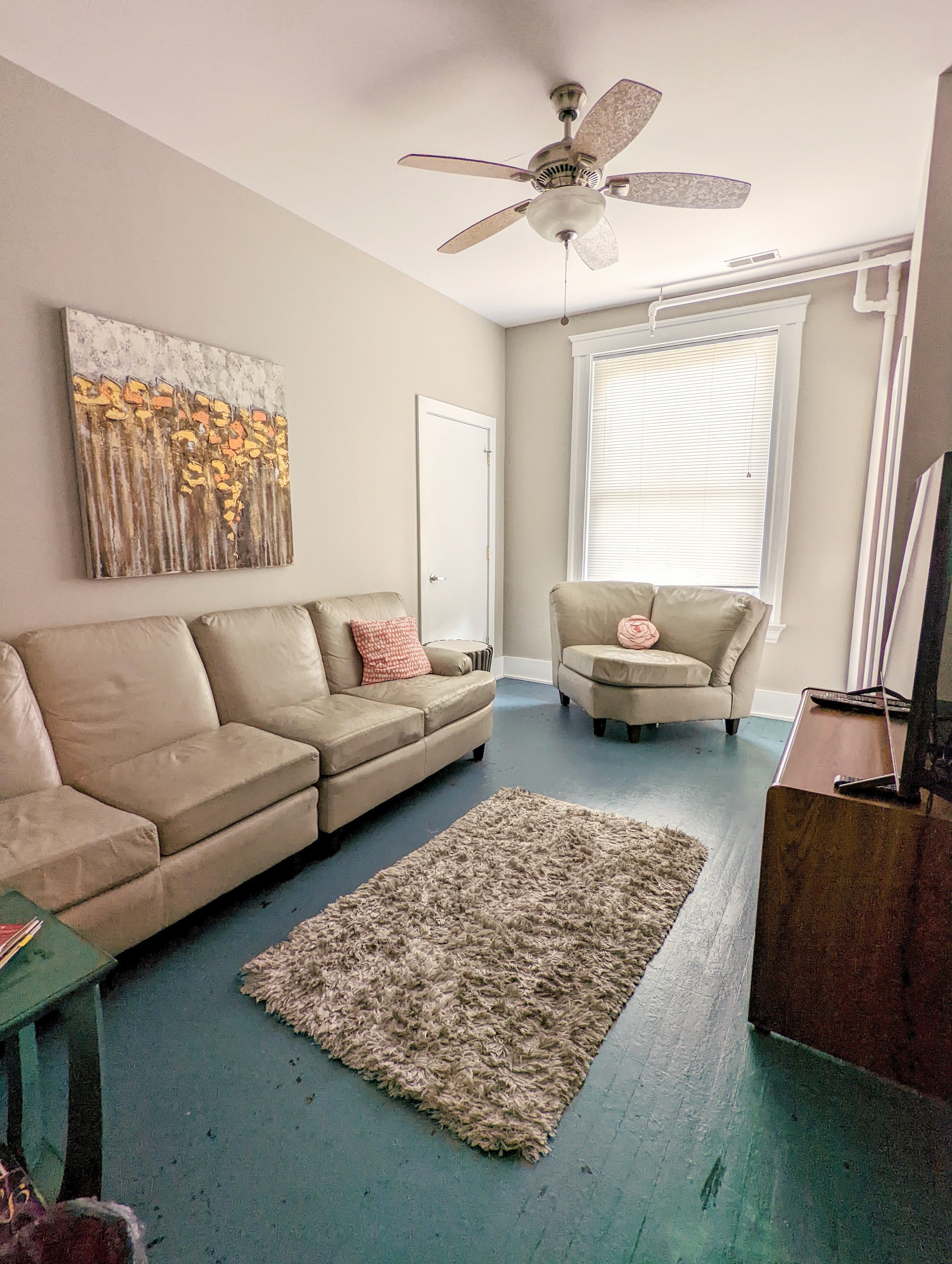


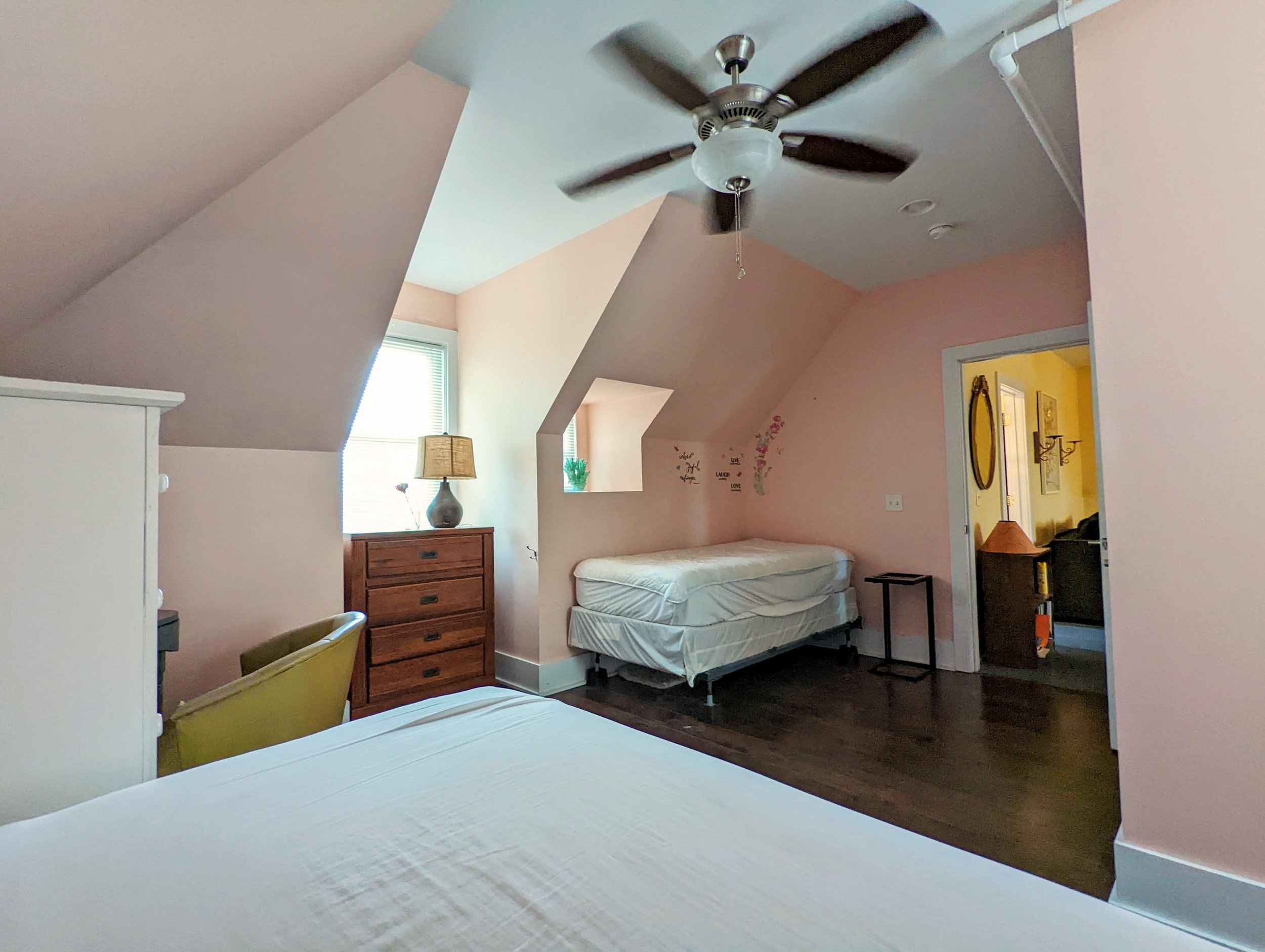
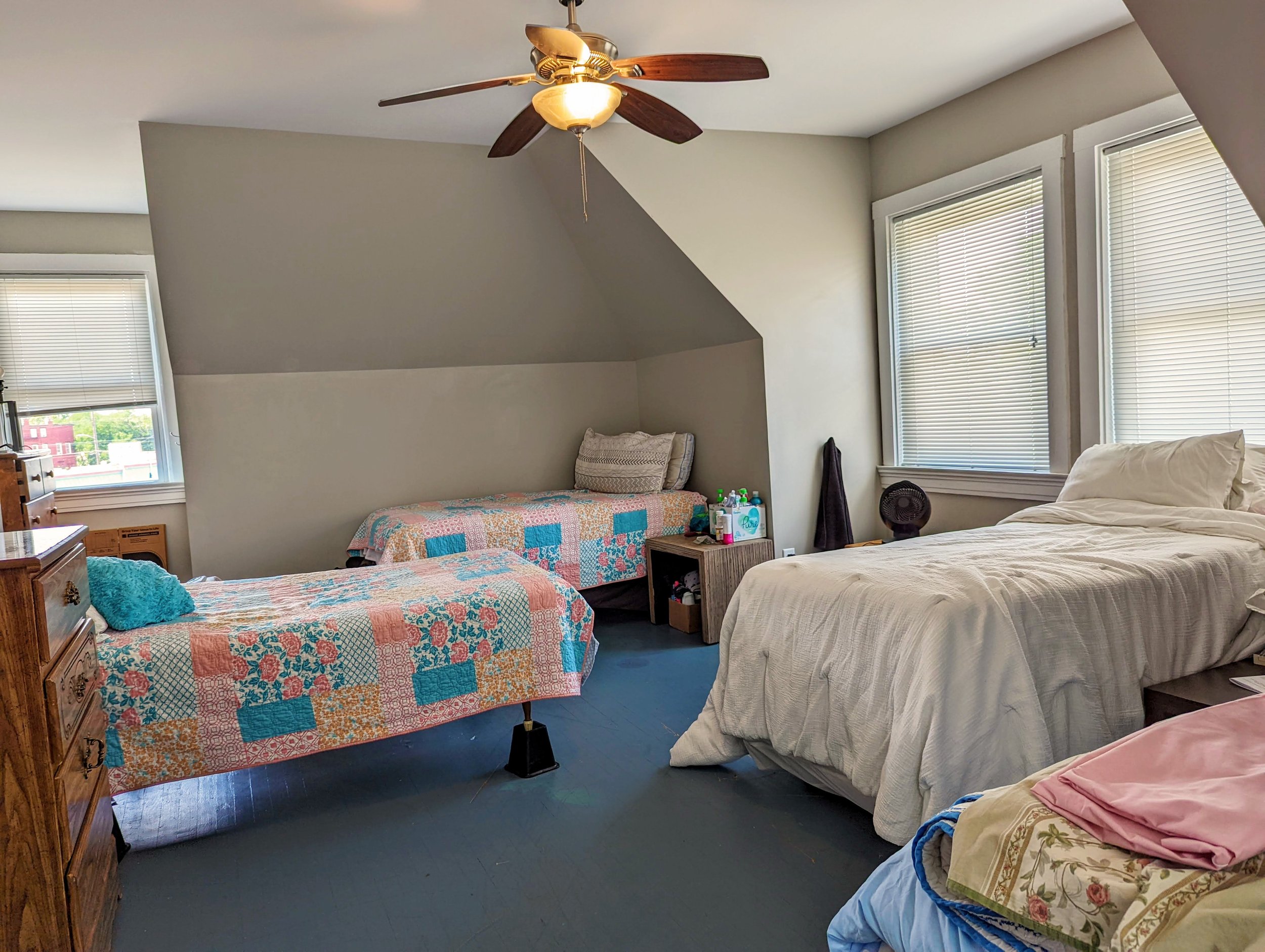

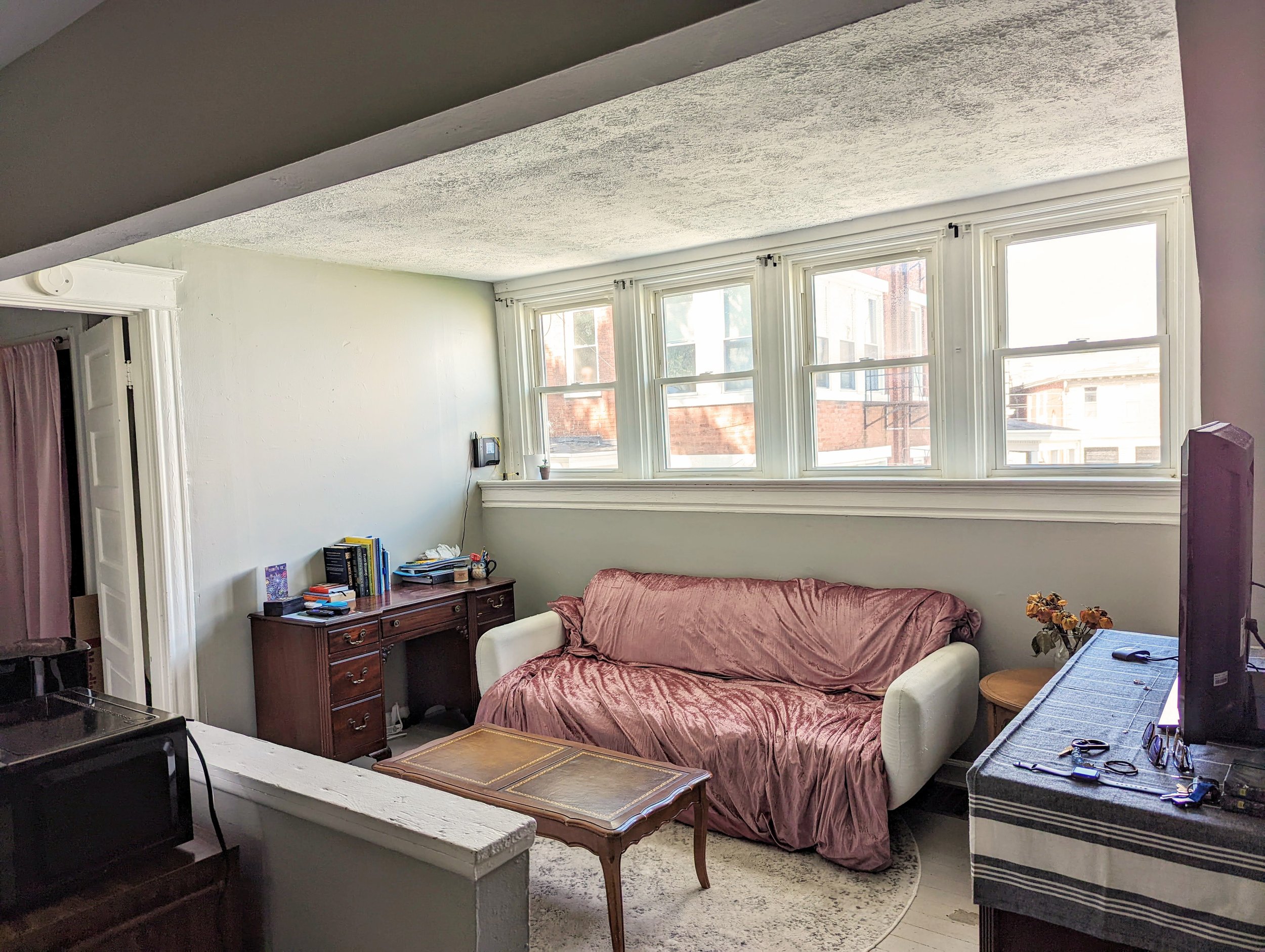



House of freedom and miracles (HFM)
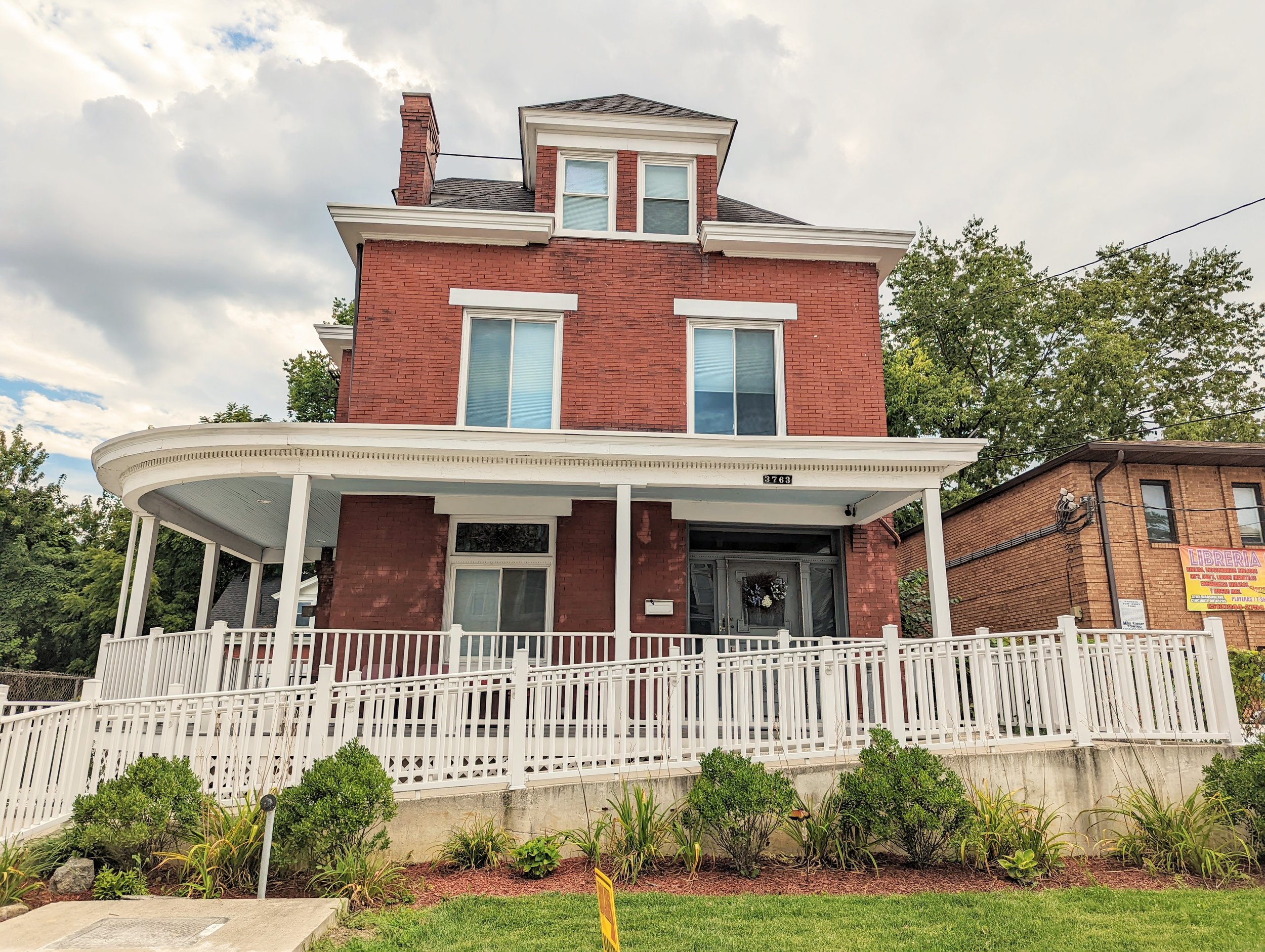
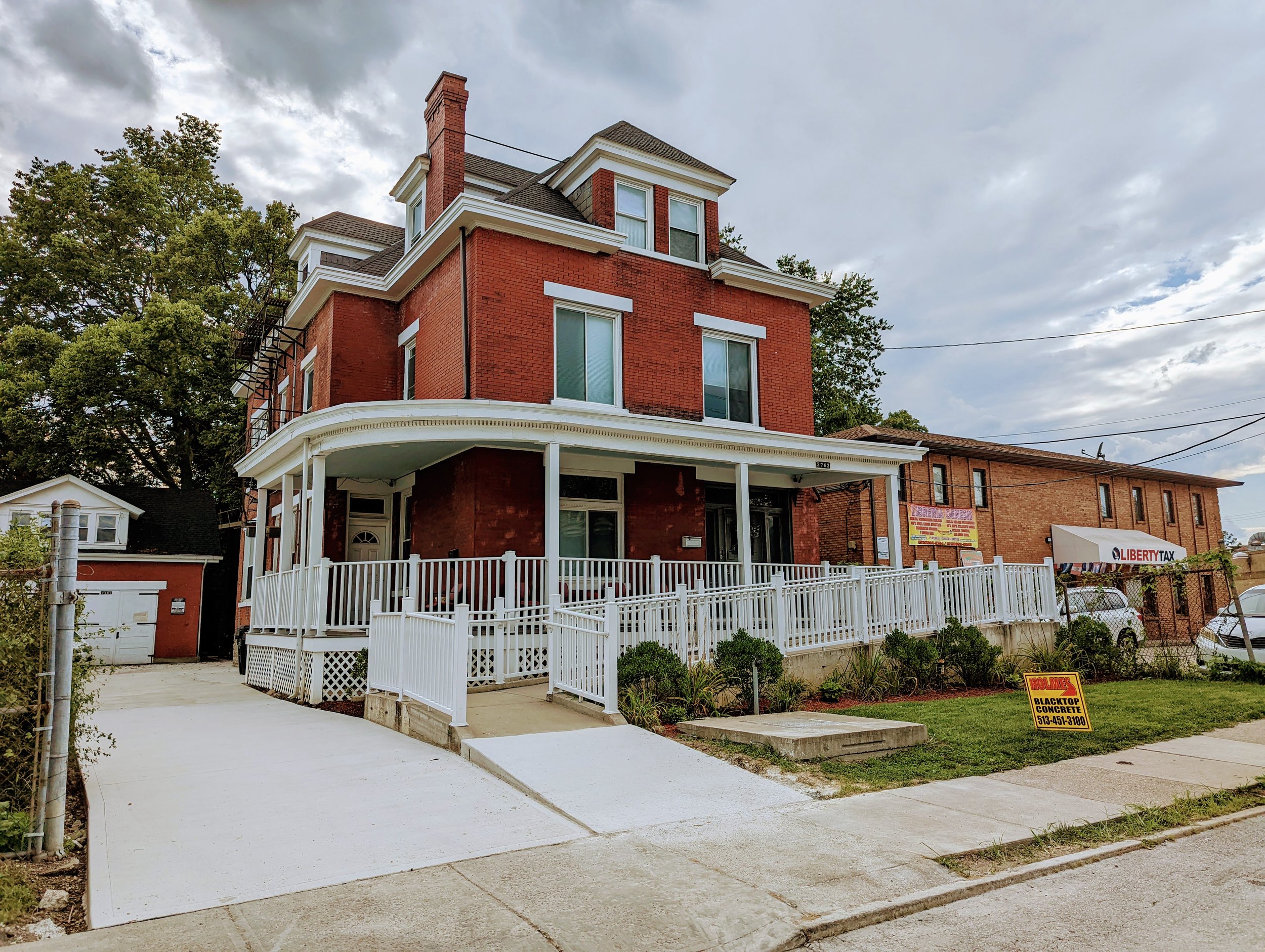
House of Freedom and Miracles (HFM) provides a supportive and structured recovery home for women from diverse backgrounds seeking a fresh start in sobriety. Many residents come to HFM after completing treatment programs, leaving homelessness, or transitioning from incarceration. The home is intentionally designed to help women adjust to a stable, recovery-focused lifestyle.
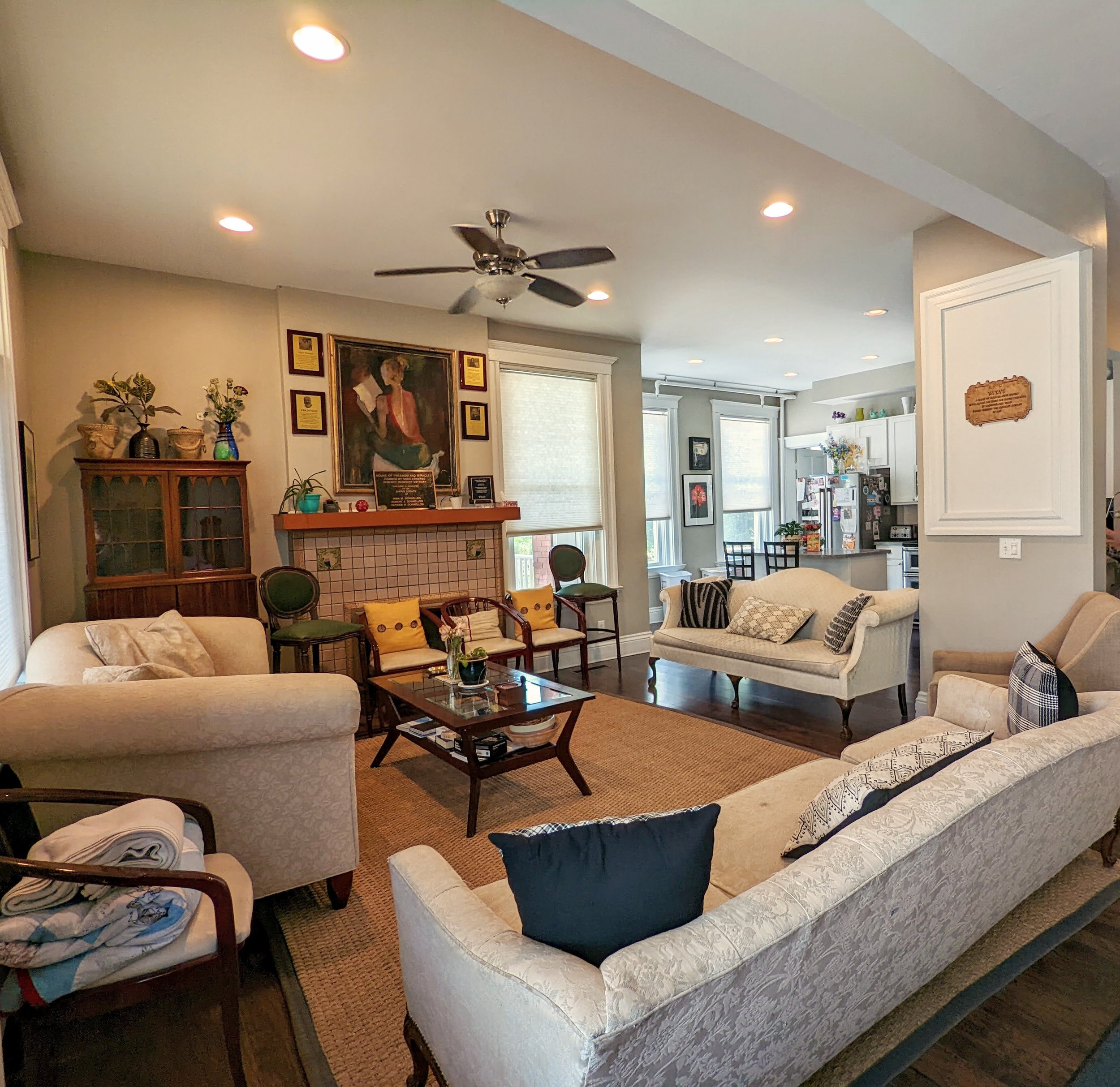
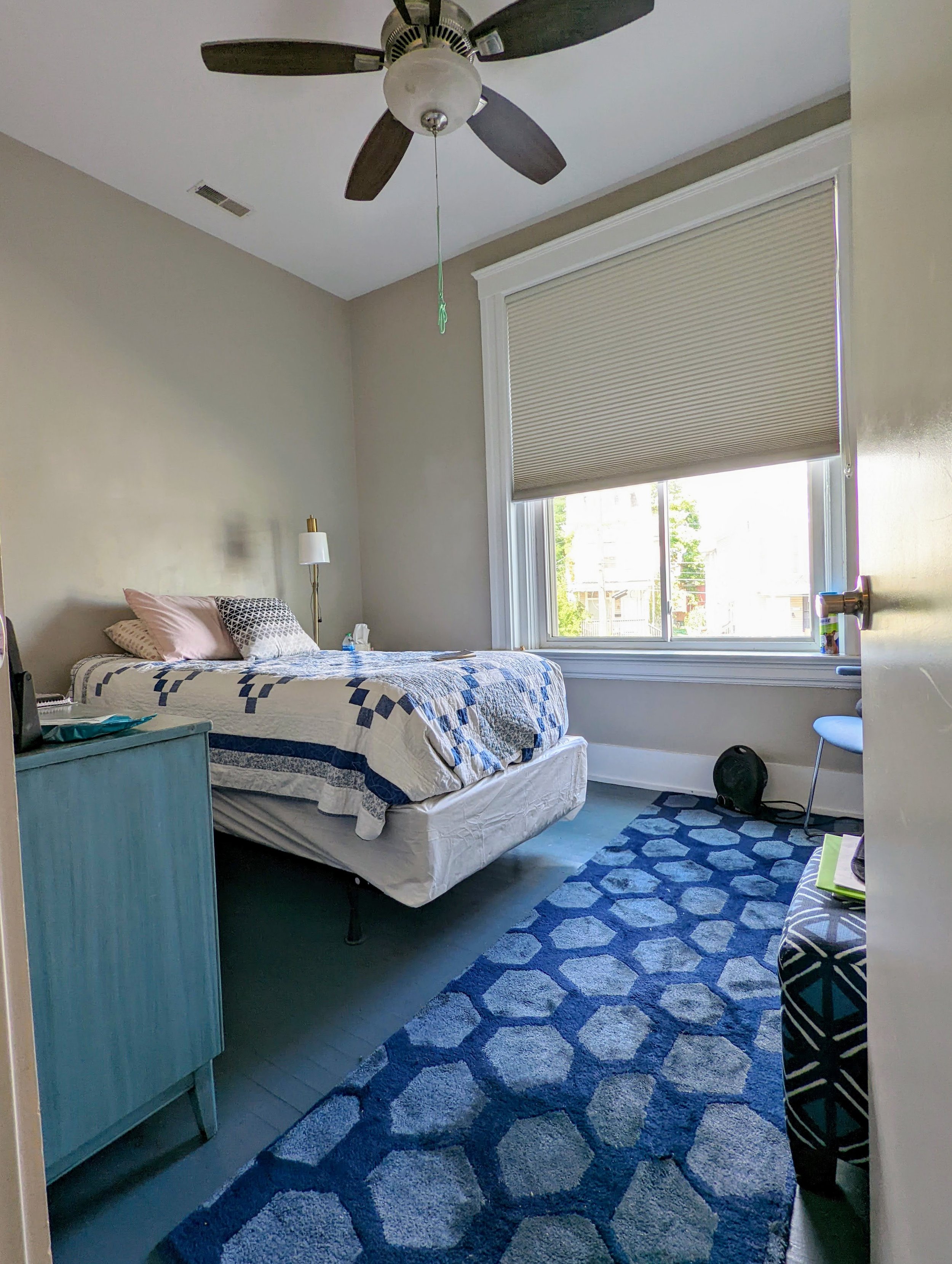
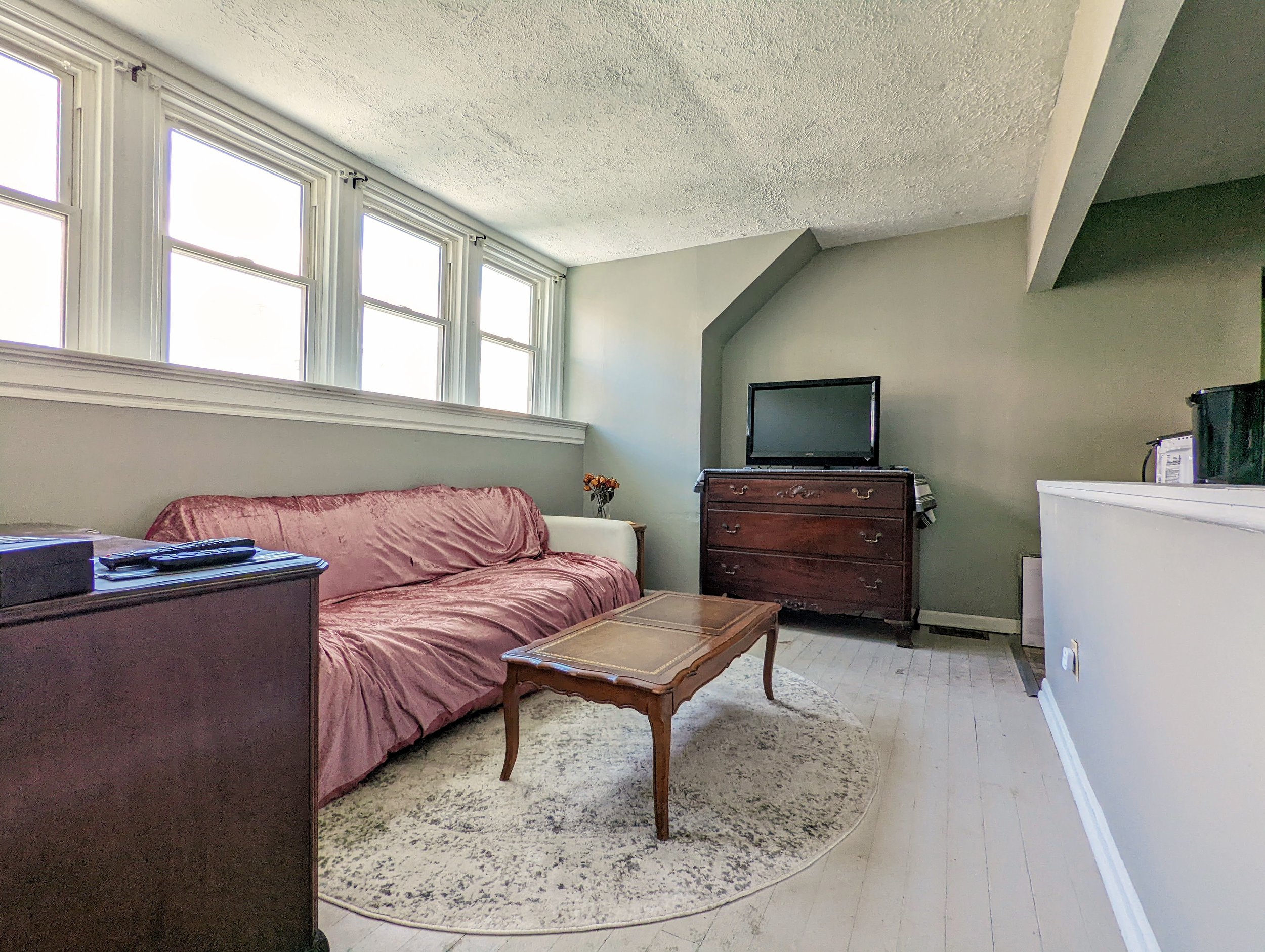
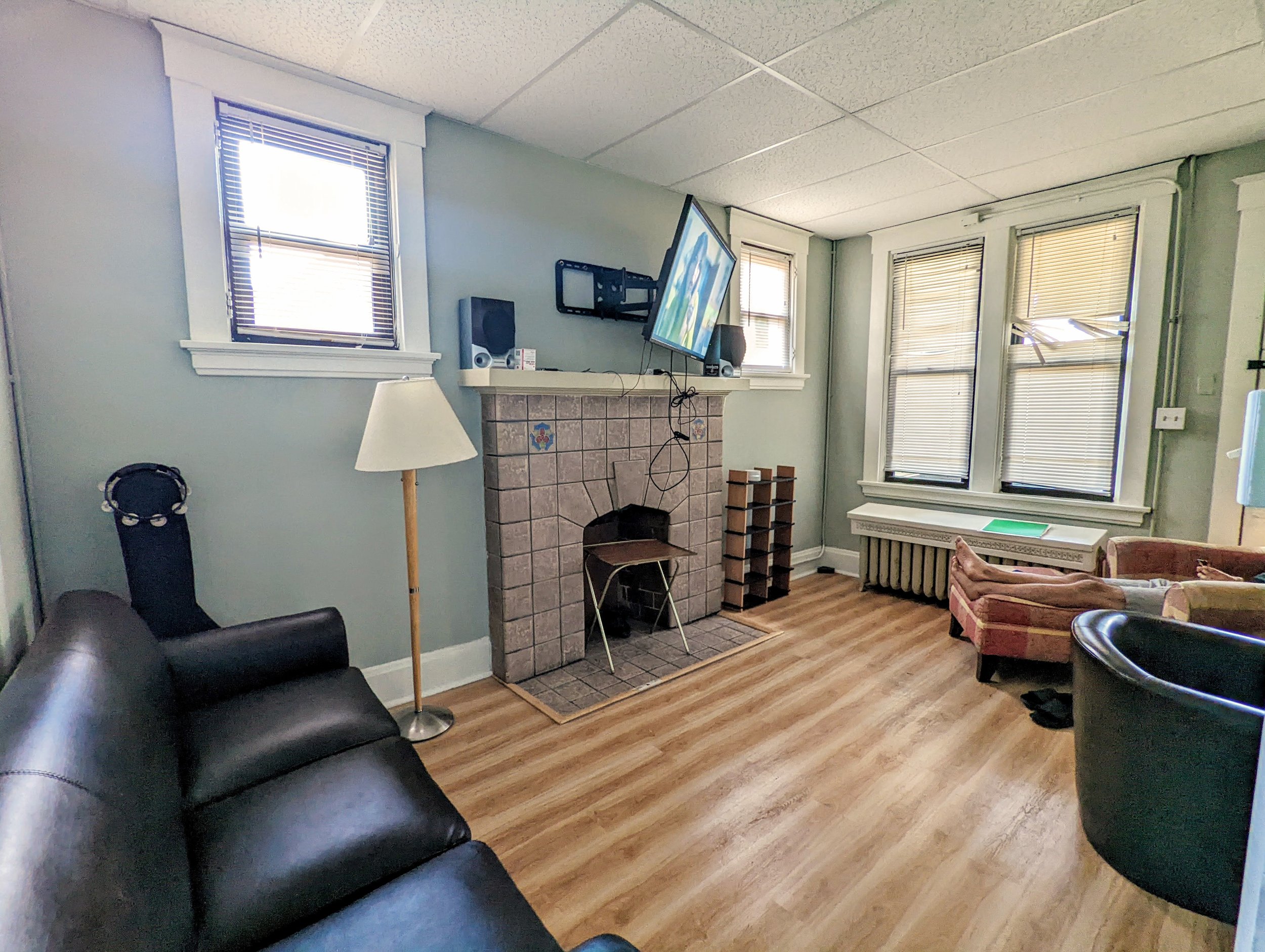
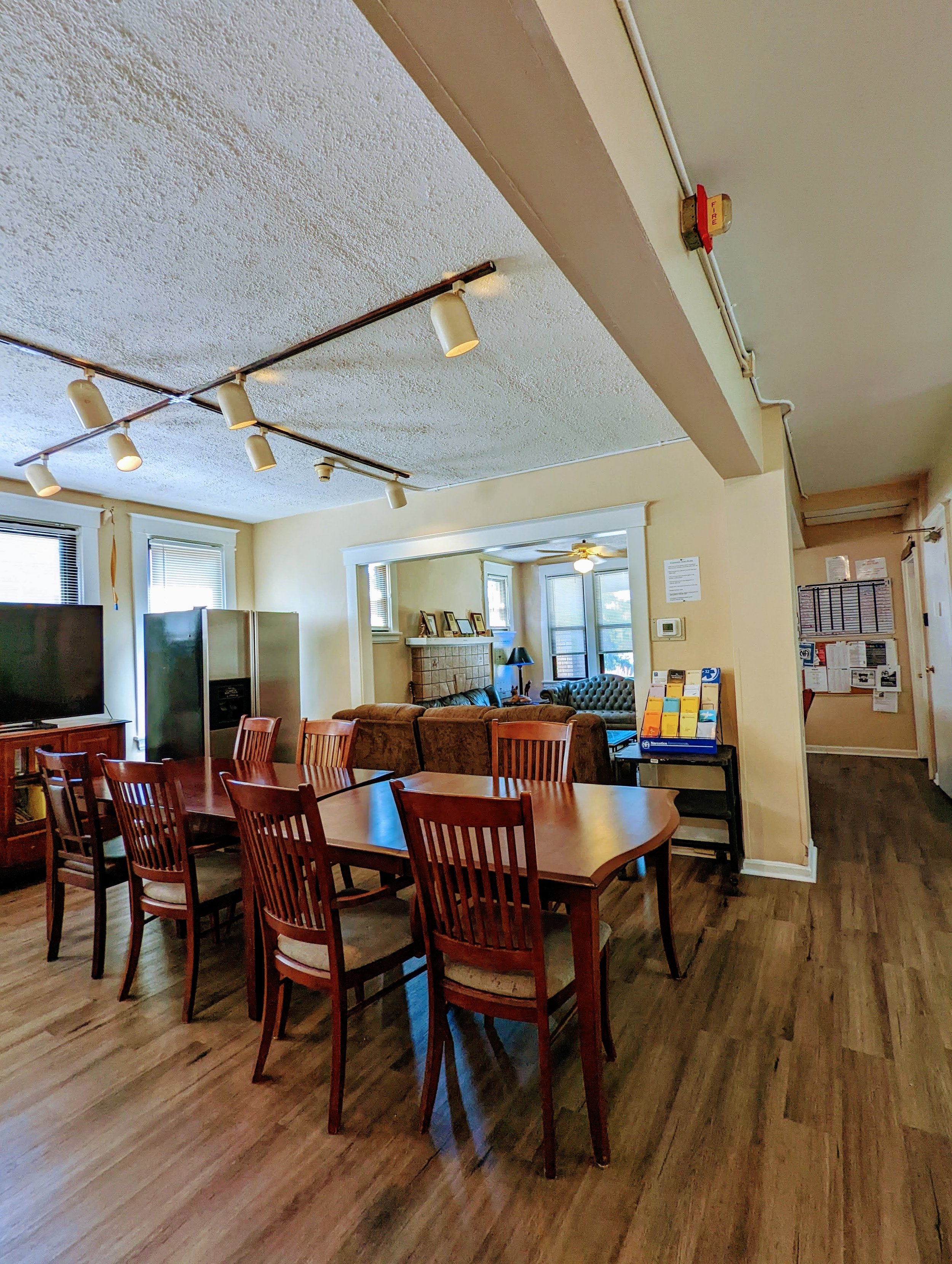
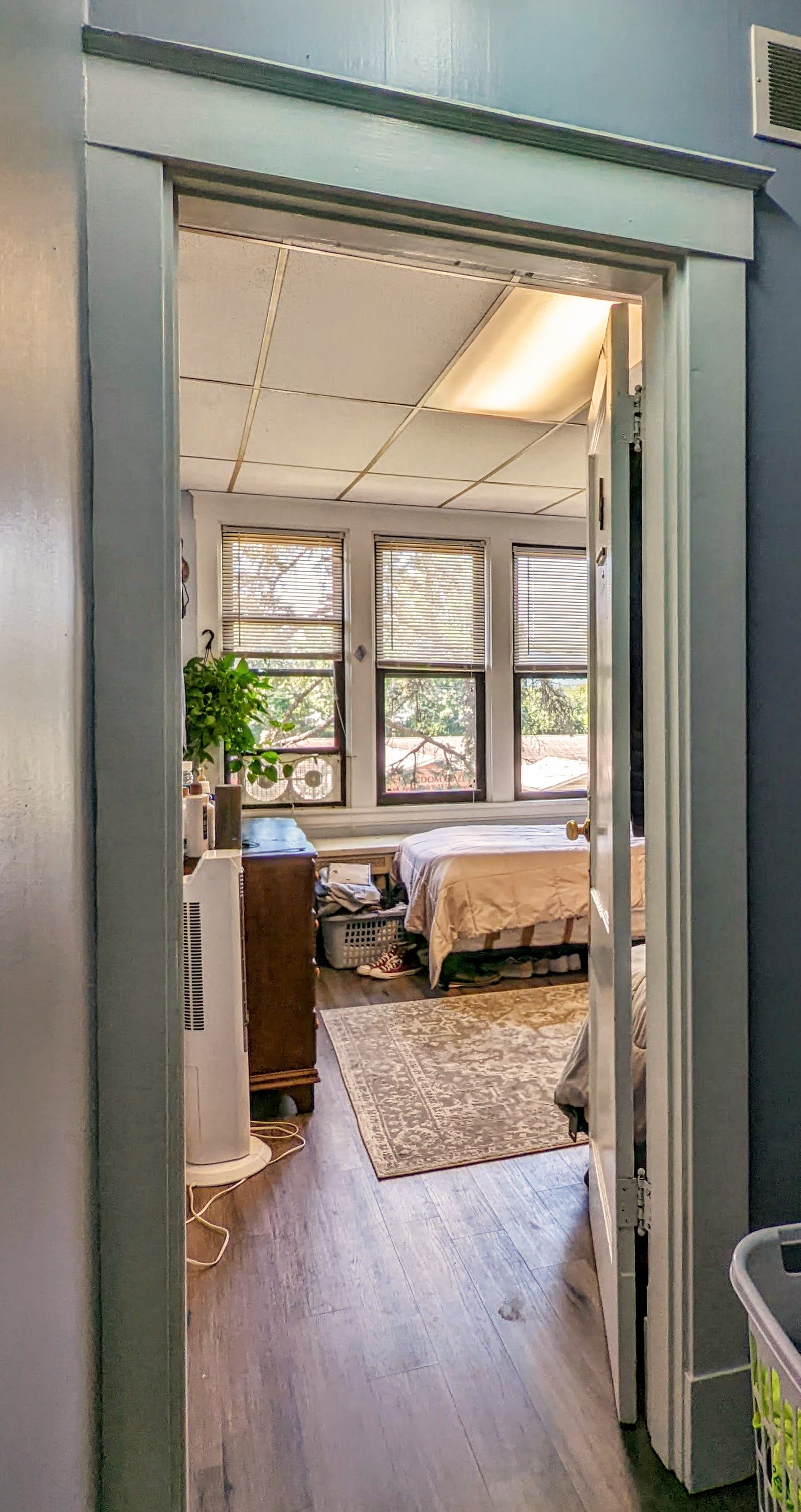
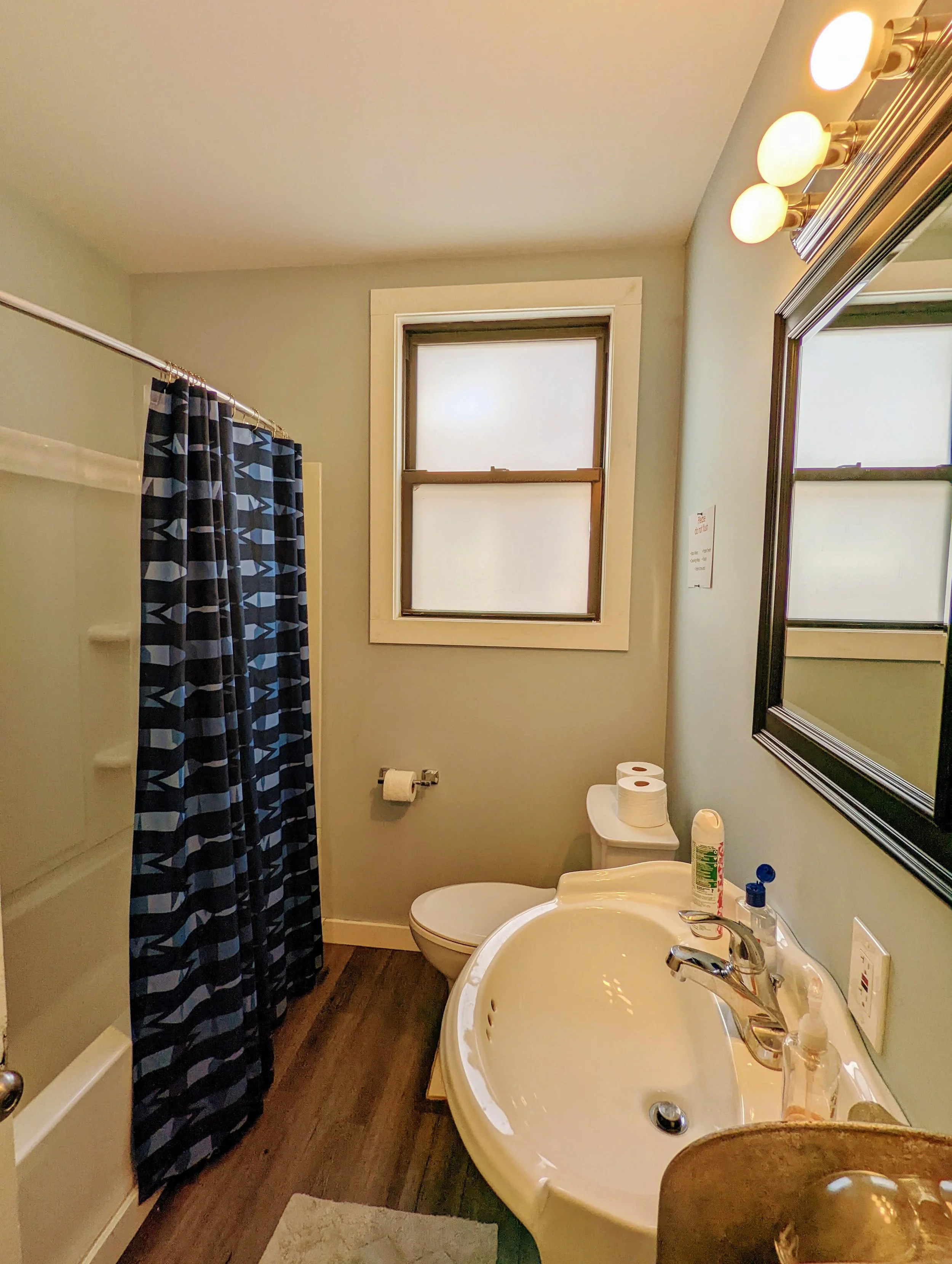
Originally purchased in 2013 and fully renovated in 2017, HFM offers a warm, welcoming environment that feels like home. The first floor features an open-concept layout with a spacious kitchen, two breakfast bars, a dining area, and a comfortable living room. Additional amenities include an office, mudroom, half bath, and basement laundry and storage. The home includes seven bedrooms—two singles, one quad, and four doubles—along with three full bathrooms across the upper floors. Residents also enjoy shared spaces such as a second-floor TV room and a third-floor sitting area for reading and relaxation.
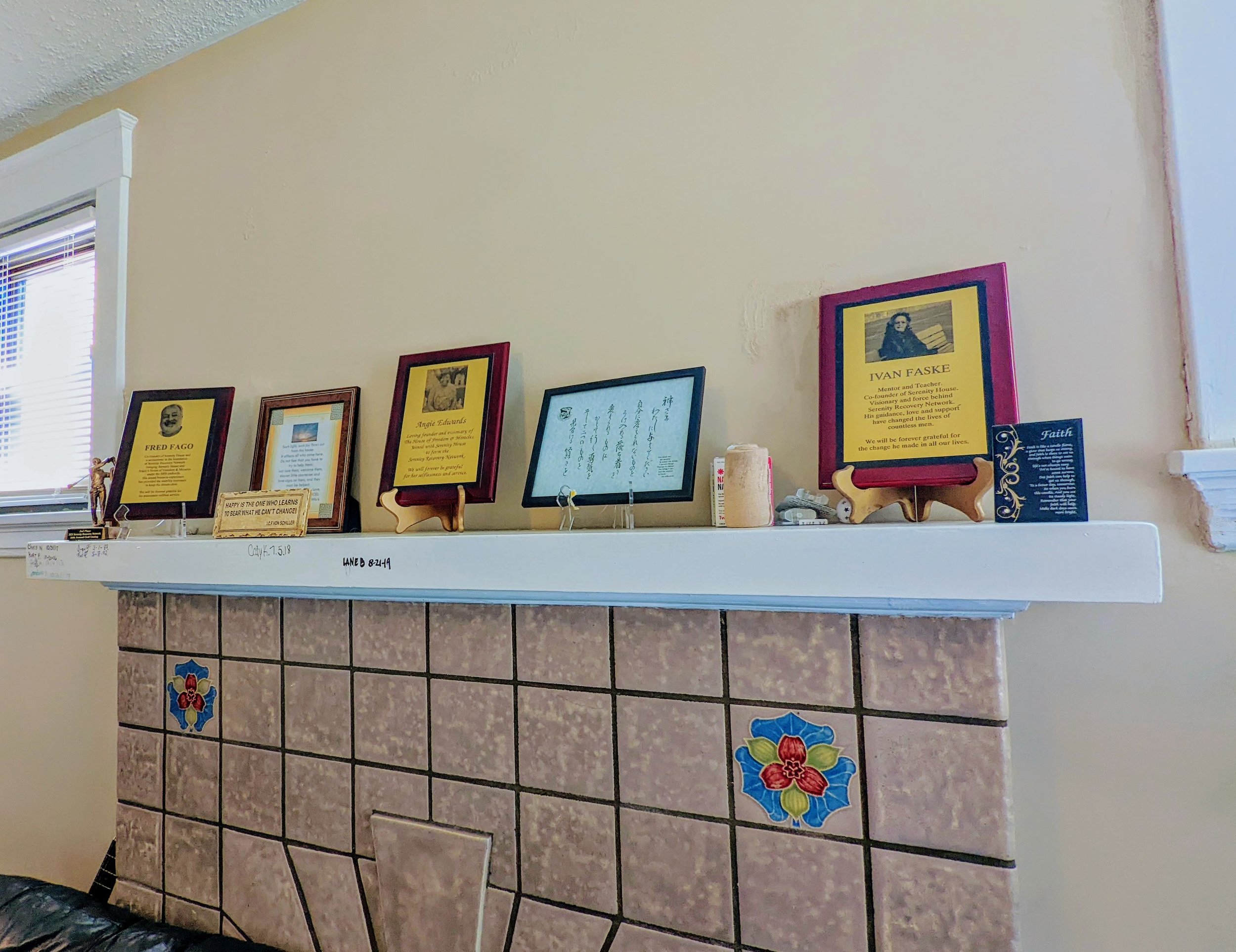
This home stands as a legacy to Angie Edwards, whose vision and dedication continue to inspire the mission of HFM.
Today, HFM remains committed to helping women build a strong foundation in recovery within a safe and compassionate environment. While living at HFM, residents are supported in finding employment, pursuing education, and developing the life skills necessary for long-term independence.
Since opening, over 500 women have found hope and support through HFM. Many have successfully reunited with their families and reintegrated into the community. Some continue their journey as alumni, remaining actively involved by mentoring new residents and carrying forward the message of recovery.








serenity house (SH)
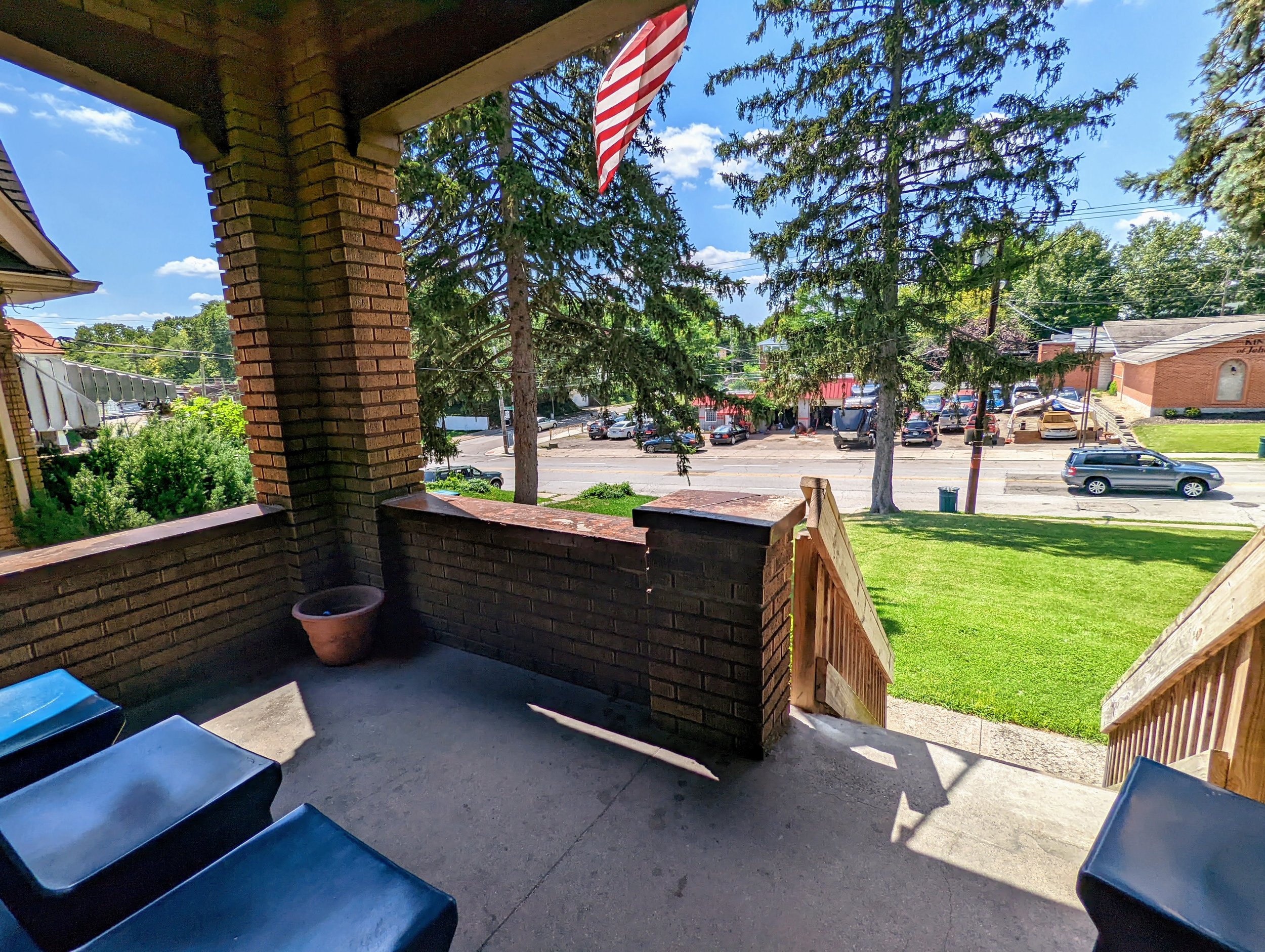
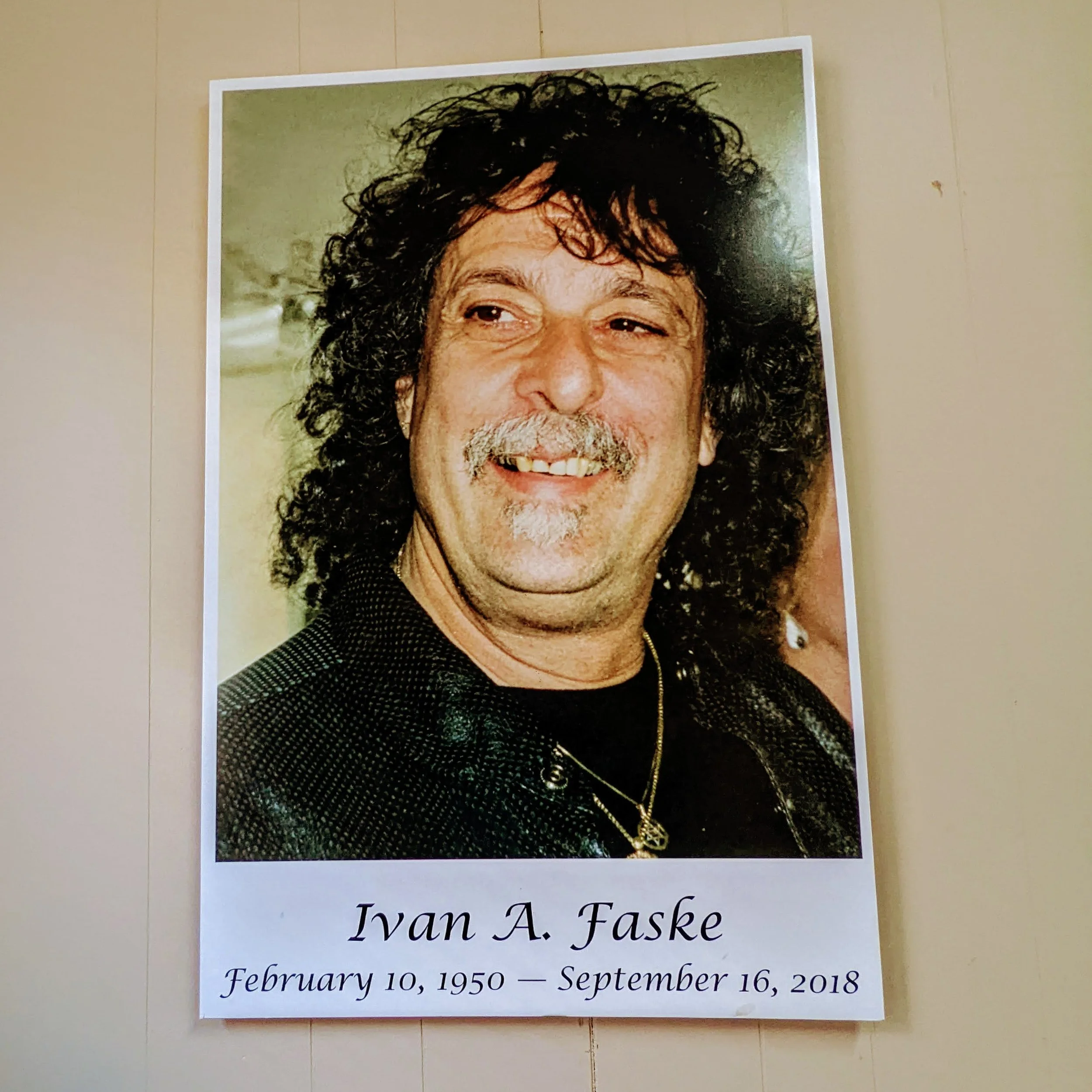
Serenity House (SH) was founded in 2005 by Ivan Faske and Fred Fago and is located in a converted home in East Price Hill. As a recovery housing program for men, Serenity House provides a structured, supportive environment for individuals working to overcome addiction and substance use disorders.
The name “Serenity House” is inspired by the Serenity Prayer, written by theologian Reinhold Niebuhr and widely embraced by Alcoholics Anonymous and other 12-step programs. This foundation reflects the home’s commitment to spiritual growth, accountability, and long-term recovery.
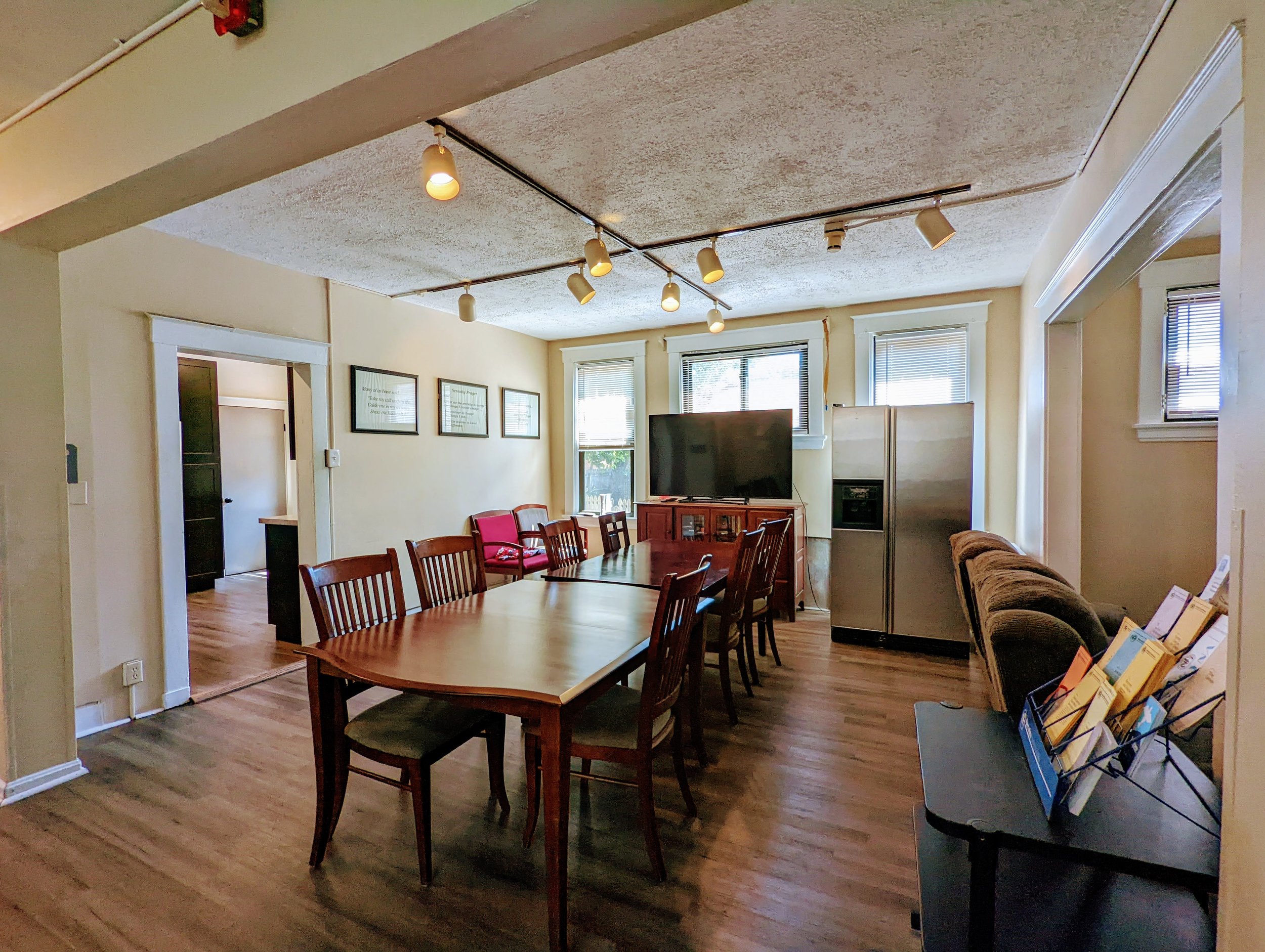
The first floor features a fully remodeled kitchen (updated in 2021–2022) and an open-concept layout that includes a dining area, living room, and a dedicated computer workspace with desks to support employment searches and other online needs. An office and full bathroom are also located on the main level. The home includes 10 bedrooms—six doubles and four singles—and provides housing for up to 16 men. Additional shared space includes an upstairs TV room for relaxation.
Since opening, Serenity House has served more than 1,000 men from a wide range of backgrounds—from those experiencing homelessness to individuals with established careers whose lives have been impacted by addiction. The program is intentionally designed to provide high-quality recovery support at a cost that is accessible to residents and their families.
Serenity House remains committed to helping men build a healthier, more stable, and fulfilling way of life. Many residents go on to reunite with their families and reintegrate into the community. Some continue their involvement as alumni, giving back by mentoring new residents and carrying forward the message of hope.
Basset house
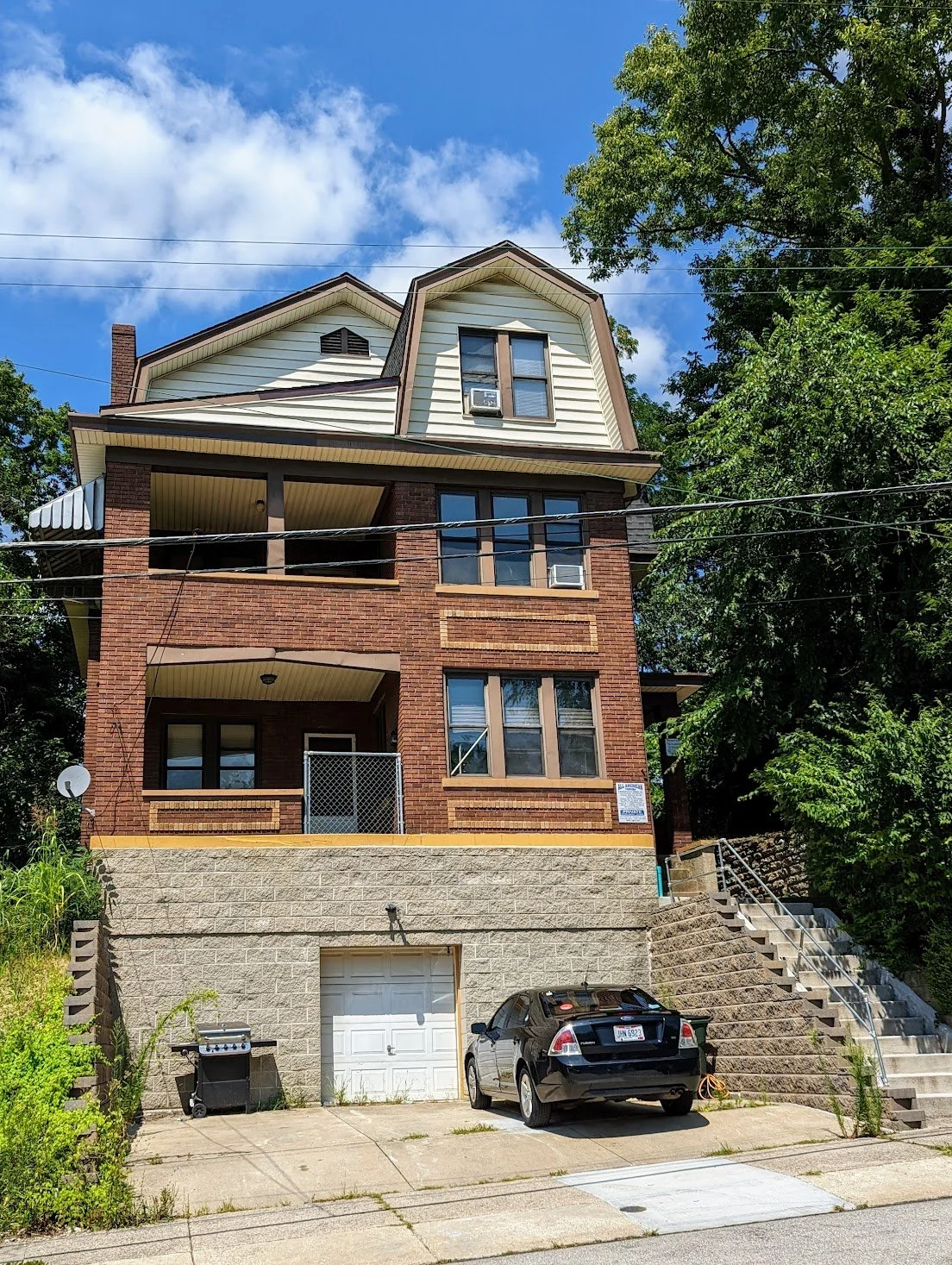
Alumni Housing provides a next step in recovery for individuals who have successfully completed Serenity Recovery Network’s program and are ready for greater independence while still benefiting from continued structure and accountability.
This housing option includes three apartments with a total of nine beds—six for men and three for women—creating a supportive, community-oriented environment that bridges the gap between structured recovery housing and fully independent living. Residents must have a minimum of six months of continuous sobriety to qualify.
Alumni housing is designed to offer independent living with added accountability. While residents manage their own daily schedules, they remain connected to the recovery community through expectations that support long-term success. Individuals may reside in alumni housing for up to two years, allowing them time to strengthen their foundation in recovery, maintain employment, and build stability.
This phase of housing plays a critical role in helping residents’ transition confidently into fully independent living. By combining autonomy with ongoing support, alumni housing reinforces the skills, discipline, and connections necessary for sustained recovery and long-term success.